
A typical 6.6kW solar system costs between $4,000 and $6,500 after government rebates in Melbourne. These are market-average figures — your actual cost depends on your site’s specific conditions, which is why Axial Electric recommends a free site assessment to determine your real price. The federal rebate alone (Small-scale Technology Certificates, or STCs) covers roughly $2,300 to $3,500, which is why many homeowners pay significantly less than the headline price.
The short answer
- A 6.6kW system costs $4,000–$6,500 after rebates — the most common size for Melbourne homes, fully installed.
- The federal STC rebate does the heavy lifting — roughly $2,300–$3,500 off, applied upfront at the point of sale.
- Victoria’s Solar Homes adds $1,400 for eligible owner-occupiers, plus an optional $1,400 interest-free loan.
- Payback is typically 4–7 years without a battery — after that, the electricity you generate is essentially free.
How Much Do Solar Systems Actually Cost in Melbourne Right Now?
These are fully installed prices after rebates. To see where your home actually falls within these ranges, get a site assessment — it’s how you’ll know your real price instead of guessing. Before rebates, expect roughly 35–50% higher cost. Variation comes from roof difficulty, panel tier (standard vs high-efficiency), inverter type, and single-phase vs three-phase electrical setup.
$3k–$5k
5kW system after rebates — low use, under 12 kWh/day
$4k–$6.5k
6.6kW system after rebates — medium use, 12–18 kWh/day
$8k–$12k
10kW system after rebates — high use or battery/EV, 18–25 kWh/day
What Rebate Money Actually Reduces Your Cost?
The main rebate is the federal Small-scale Technology Certificate (STC) rebate. Your installer handles this automatically. For a 6.6kW system in Melbourne, you typically receive $2,300–$3,500 in STC value, applied as an upfront discount at the point of sale. You don’t claim it back later.
Victoria’s Solar Homes Program adds an extra $1,400 rebate for eligible owner-occupiers. You must apply before the deadline each year, and the rebate is applied directly as a discount on your invoice. The program also offers an optional $1,400 interest-free loan if you want to spread costs further.
Combined, an eligible Melbourne household can save $3,700–$4,900 off the system price. The STC rebate reduces by roughly 6–7% each year and ends entirely in 2030, so acting earlier locks in higher savings.
Check eligibility on solar.vic.gov.au. Income and property limits apply, and you cannot have received a rebate on that property in the past decade.
You can also see the current Victorian solar and energy rebates we help you claim, all in one place.
What Variables Actually Change Your Price?
Get your exact price before you read the variables below. Every roof is different — tell us about yours and we’ll give you a real number instead of a range.
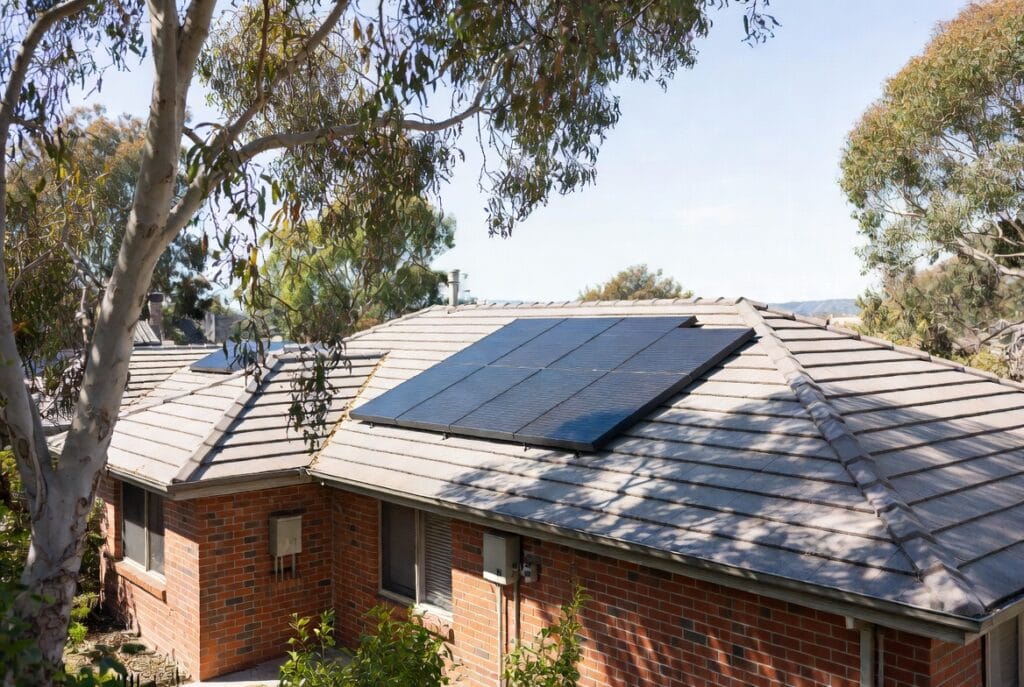
Roof complexity and shading. A straightforward north-facing roof on a standard house costs less to install than multi-level homes, complex rooflines, or roofs with heavy shade. Tile roofs are standard. Slate, metal, or steep pitches require extra labour and safety measures, adding $500–$1,500.
Panel and inverter choice. Standard tier-1 panels from major brands cost roughly the same. High-efficiency panels add $1,500–$2,500. A hybrid inverter (battery-ready) costs $1,500–$2,500 more than a standard grid-connected inverter. If you’re not adding a battery soon, this extra cost may not justify itself.
Electrical work. If your switchboard needs new safety switches or rewiring, expect $500–$2,000 extra. Meter changes and export limiting add labour time but are usually minor costs. Every roof tells a different story — Axial Electric’s detailed site assessments often uncover design efficiencies that reduce costs without cutting quality, which is why many customers find their actual price is lower than these ranges suggest.
What Size System Makes Sense for Your House?
Most Melbourne homes use 15–25 kWh per day. A 6.6kW system generates roughly 25–30 kWh on a clear day, 15–18 kWh on average, and 5–8 kWh on overcast days. A 5kW system suits low-use households (under 12 kWh daily). A 6.6kW system fits medium use (12–18 kWh daily). A 10kW system works for higher use (18–25 kWh daily) or households planning battery or EV charging.
Most Melbourne homes find 6.6–8kW solar balances output, cost, and roof space well. A 10kW system costs only 10–15% more than 6.6kW once labour is spread across more panels. If you’re unsure, get a site assessment from an installer to check your actual usage.
How Financing Changes What You Actually Pay Monthly
A $5,000 system after rebates costs very different amounts depending on how you pay for it.
| How you pay | Monthly | Total cost |
|---|---|---|
| Cash upfront | — | $5,000 (no interest) |
| Green loan (5 yrs, 5–8%) | $90–$110 | $5,400–$6,600 |
| Personal loan (5 yrs, ~10%) | ~$130 | $7,800 |
Most Melbourne homes generate enough solar electricity to offset the loan repayment within 4–7 years. After that, electricity is essentially free. Green loans from major banks typically range 5–8% comparison rate, while personal loans run 7–15% depending on credit profile.
Should You Add a Battery Now or Wait?
Install solar first, add a battery later if needed. A solar system starts cutting your electricity bill immediately through lower grid purchases and excess export. Batteries (typically $8,000–$15,000 installed depending on size) make financial sense only if you have high evening electricity use, a very low feed-in tariff (below 5c/kWh), or want backup power.
If budget is tight, a 6.6kW solar system without a battery gets you 60–70% of the way to lower energy bills. Add a battery in 2–3 years when prices drop further and you have clearer usage patterns to size it properly.
Federal battery rebates (the Cheaper Home Batteries Program) offset roughly $3,700 from a 10kWh system, bringing the net cost down significantly. Check current program details at dcceew.gov.au.
If you already have panels, our guide on adding a battery to an existing solar system covers the costs and options — or you can compare the battery brands we install.
Weighing up solar and battery together?
If you have high evening electricity use or want backup power, we can size a battery alongside your solar system and show you the real numbers for both — a site assessment covers this at no extra cost.
Understanding Your Melbourne Electricity Costs
Average electricity in Victoria costs roughly 26.8 cents per kWh plus a $1.02 per day supply charge. A 6.6kW system typically saves $1,200–$1,800 per year. Feed-in tariffs sit at 3–10 cents per kWh, meaning excess solar you export is worth much less than the grid electricity you buy at night. This gap is why batteries appeal to households with high evening use, and it raises a fair question: is solar still worth it now that feed-in tariffs are this low?
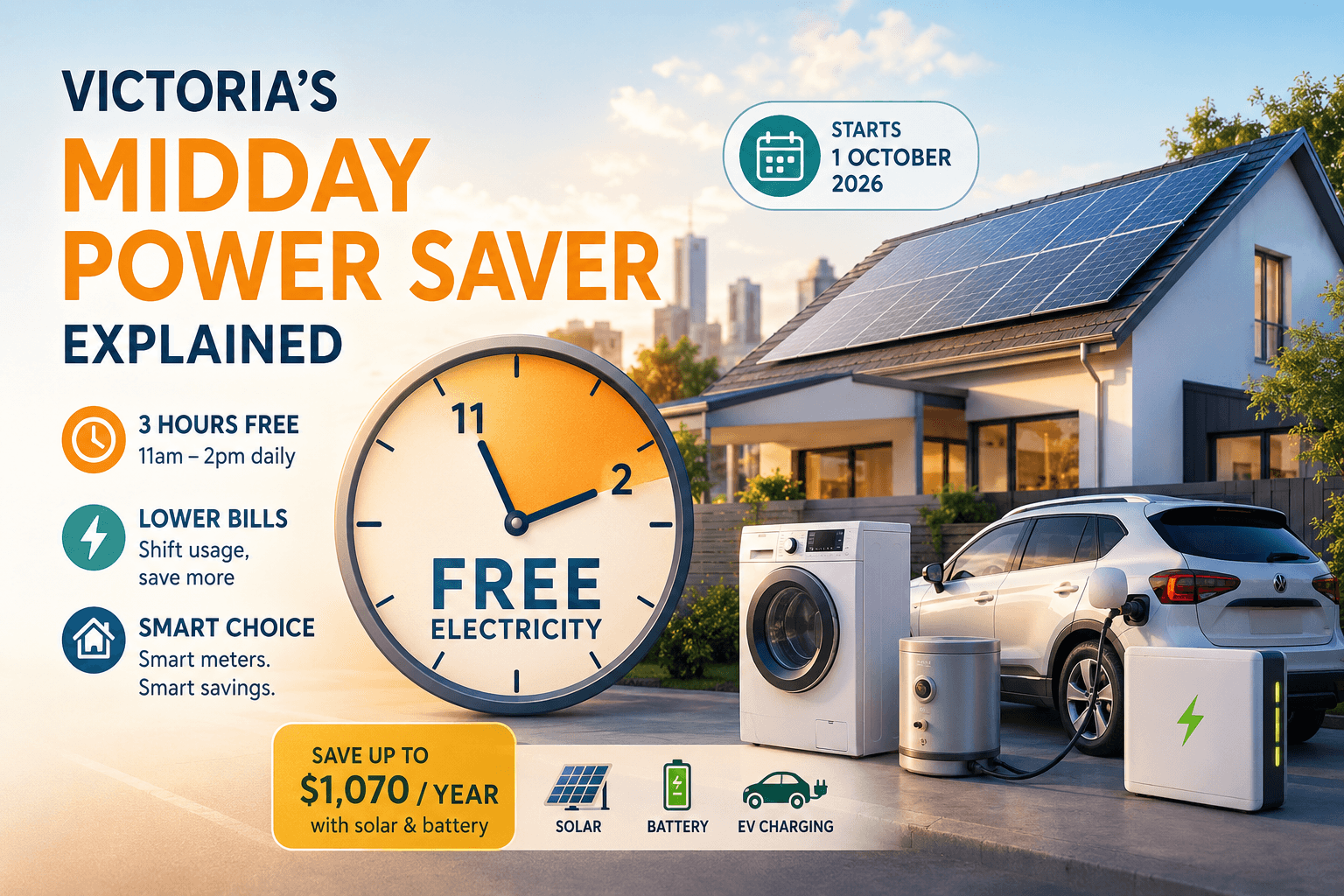
Read more: Victoria’s Midday Power Saver explained
When to Bring in a Professional Assessment
Get a site visit if your roof is complex, shading is an issue, or you’re considering a battery or EV charger. A professional assessment catches issues before quoting. Straightforward roofs can be quoted online, but most homes benefit from a conversation with an installer first.
Axial Electric handles solar design, installation, and battery integration across Melbourne and surrounding suburbs. We hold a Victorian Electrical Licence and bring over 15 years of experience.
Get your real Melbourne solar price
These are market averages — your actual cost depends on your roof, switchboard capacity, and energy use. Axial Electric designs and installs solar and battery systems across Melbourne and surrounding suburbs, with a Victorian Electrical Licence and 15+ years of experience. A free site assessment often uncovers ways to deliver your system for less than the figures quoted here.
Decision Summary
- Start with a 6.6–8kW system if you’re a medium-use household — budget $4,000–$6,500 after rebates.
- Expect payback in 4–7 years without a battery.
- Apply for the Victorian Solar Homes rebate before the deadline to lock in the full $1,400 (apply at solar.vic.gov.au).
- Get multiple quotes and verify the installer holds proper Victorian electrical licensing.
- If your roof is shaded or complex, get a professional site assessment before signing anything.
Frequently Asked Questions
Can I get solar installed without a battery?
Yes. Solar works standalone. A battery is optional and makes sense only if you want backup power or have very high evening electricity use.
How long do solar panels last?
Panels typically last 25–30 years, and most systems still produce 85–90% of their original output at 25 years. Inverters last 10–15 years and can be replaced separately.
Do I need council planning approval?
Most residential systems under 10kW don’t need planning approval in Victoria. Your installer will handle the network paperwork.
What happens on overcast days?
Solar generates 20–40% of a clear day’s output in cloud. You’ll rely more on grid power during extended cloudy periods.
Is my roof old enough to worry about?
If your roof needs replacement within 5–10 years, replace it first to avoid removing and reinstalling panels later. Contractors inspect roofs at the site visit.
Do I need three-phase power for solar?
No. Most homes use single-phase. Three-phase is useful only if you’re installing multiple high-load items simultaneously.
What maintenance does solar need?
Very little. Hose the panels down once a year if they’re dusty. Budget $100–$200 annually for basic maintenance.